
Buying a home in Ontario comes with a price tag that goes well beyond the purchase price on the listing. One of the biggest, and most misunderstood, costs at closing is land transfer tax (LTT).
Many buyers only learn about LTT a few weeks before closing, when their lawyer sends a cost estimate and they suddenly realize they need thousands of dollars more than they planned.
This article walks through how land transfer tax works in Ontario, how it’s calculated, where municipal taxes stack on top, what first-time buyer rebates can actually save you, and how to budget for the full suite of closing costs beyond LTT—without wandering into risky “tax tricks” that can backfire.
Note: Land transfer tax rates and rebates can change over time. Because I can’t access live web data right now, you should always confirm current numbers with the Province of Ontario or a real estate lawyer before relying on any figures.
You can find official information at:
- Province of Ontario: https://www.ontario.ca
- City of Toronto: https://www.toronto.ca
- Canada Mortgage and Housing Corporation (CMHC): https://www.cmhc-schl.gc.ca
1. The Hidden Cost Reality of Ontario Real Estate Transactions
When buyers run the numbers on homeownership, they usually focus on:
- Purchase price
- Down payment
- Mortgage rate and monthly payment
The real shock comes at closing, when they see the full list of one-time costs, including:
- Land transfer tax (provincial, and in Toronto, municipal as well)
- Legal fees and disbursements
- Title insurance
- Property tax and utility adjustments
- Home inspection, appraisal, and sometimes mortgage insurance premiums
For many purchasers in Ontario, land transfer tax alone can run into the five figures.
If you’re buying in Toronto, you may pay:
- A provincial land transfer tax
- A matching municipal land transfer tax
…on the same transaction.
Understanding the moving parts early lets you:
- Set a realistic closing cost budget
- Avoid last-minute scrambling or borrowing from family
- Properly evaluate whether a specific property or location is affordable
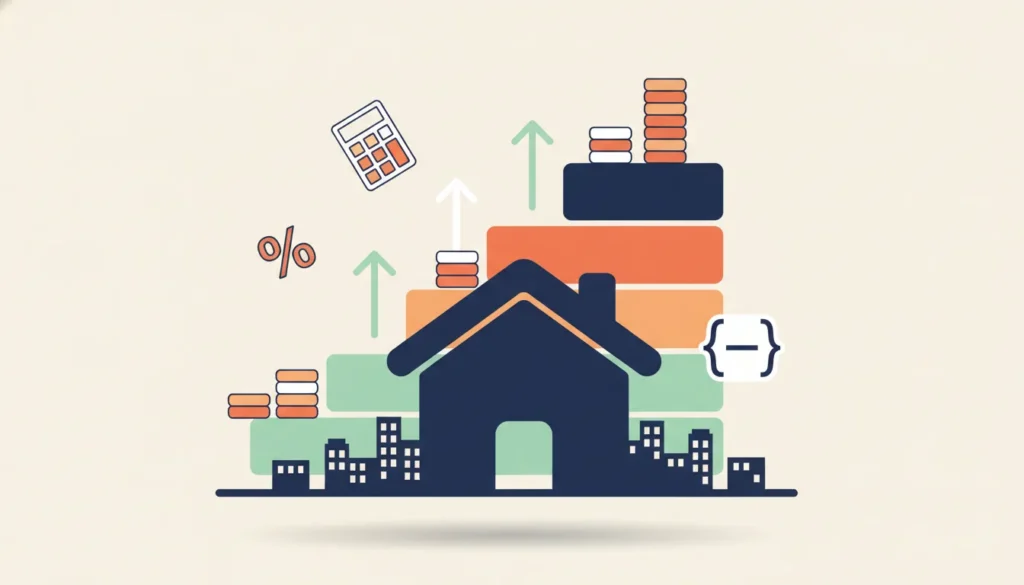
2. Land Transfer Tax Calculation Framework: Provincial Formulas, Municipal Layers, and Real-World Scenarios
Ontario’s land transfer tax is a tiered tax based on the purchase price of real estate. Different portions of the price are taxed at different marginal rates.
These brackets and rates can change, so always verify current details on the Ontario government website or with your lawyer. The structure below reflects the commonly used framework in recent years for most residential properties:
- 0.5% on the first $55,000
- 1.0% on the portion over $55,000 up to $250,000
- 1.5% on the portion over $250,000 up to $400,000
- 2.0% on the portion over $400,000 up to $2,000,000
- 2.5% on the portion over $2,000,000 (for certain residential properties)
Again: treat this as an illustrative guide, not a locked-in rate table.
Provincial Land Transfer Tax: Example Calculation (Outside Toronto)
Let’s walk through a sample purchase outside Toronto:
Purchase price: $600,000 (single-family home, assuming the typical residential bracket structure)
Breakdown:
- 0.5% on first $55,000
- 0.005 × 55,000 = 275
- 1.0% on the portion from $55,000 to $250,000
- Difference: 250,000 − 55,000 = 195,000
- 0.01 × 195,000 = 1,950
- 1.5% on the portion from $250,000 to $400,000
- Difference: 400,000 − 250,000 = 150,000
- 0.015 × 150,000 = 2,250
- 2.0% on the portion from $400,000 to $600,000
- Difference: 600,000 − 400,000 = 200,000
- 0.02 × 200,000 = 4,000
Total provincial LTT:
- 275 + 1,950 = 2,225
- 2,225 + 2,250 = 4,475
- 4,475 + 4,000 = 8,475
Estimated provincial land transfer tax: 8,475
For a lot of buyers, that is the single largest closing cost aside from the down payment.
Municipal Land Transfer Tax: The Toronto Layer
If you buy within the City of Toronto, there is a second layer: a municipal land transfer tax charged on top of the provincial tax.
For many price points, Toronto’s municipal tax structure has historically been similar (not necessarily identical) to the provincial brackets, effectively doubling the total land transfer tax compared to a similar purchase outside the city.
Because Toronto has made changes over time, especially for higher-value homes, you should always:
- Check the latest municipal land transfer tax details directly on the City of Toronto’s site: https://www.toronto.ca
- Ask your real estate lawyer or agent to run a current calculation using an official or well-known calculator
Illustrative Scenario Comparison
Here is a simplified, illustrative snapshot to show how land transfer tax can differ inside vs. outside Toronto, using the provincial-style brackets described above and assuming Toronto’s tax roughly mirrors them for mid-range prices.
These are examples only; do not rely on them for exact budgeting.
| Purchase Price | Location | Approx. Provincial LTT | Approx. Municipal LTT | Approx. Total LTT |
|---|---|---|---|---|
| $500,000 | Outside Toronto | Around $6,475 | N/A | Around $6,475 |
| $500,000 | Toronto | Around $6,475 | Around $6,475 | Around $12,950 |
| $800,000 | Outside Toronto | Around $12,475 | N/A | Around $12,475 |
| $800,000 | Toronto | Around $12,475 | Around $12,475 | Around $24,950 |
The key insight: buying in Toronto can sometimes almost double your land transfer tax bill.
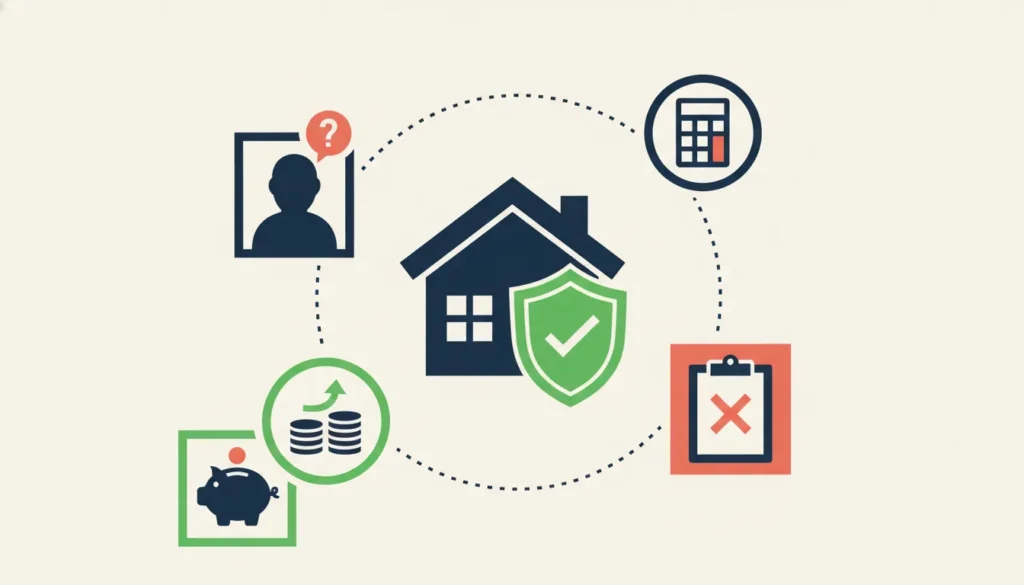
3. First-Time Home Buyer Rebate Optimization
Ontario offers land transfer tax relief for eligible first-time home buyers. Toronto has historically offered a separate municipal rebate for eligible first-time buyers as well.
Both programs can significantly reduce the cash you need at closing—but only if you meet the criteria.
Because thresholds and amounts can change, always verify current rebate limits on:
- Ontario government website: https://www.ontario.ca
- City of Toronto website: https://www.toronto.ca
Typical Provincial First-Time Buyer Rebate Structure (Illustrative)
In recent years, Ontario has commonly allowed eligible first-time buyers of qualifying homes to receive a rebate of their provincial land transfer tax up to a maximum amount set by the province (often cited as in the low-thousands of dollars).
In practice, this can significantly reduce or even eliminate LTT for lower-priced homes.
Common Eligibility Requirements
Eligibility rules evolve, but historically, provincial first-time buyer rebates have often required that:
- You are at least 18 years old.
- You (and your spouse, if any) have never owned a home anywhere in the world.
- You intend to occupy the property as your principal residence within a prescribed time after closing.
- You are a Canadian citizen or permanent resident (or become one within a certain period, depending on rules in effect).
Toronto’s municipal rebate, where available, has generally had similar but not identical requirements.
Always check the precise requirements currently in force before planning around a rebate.
Common Disqualifying Factors
Buyers are often surprised to learn they are not, in fact, considered first-time purchasers for rebate purposes. Frequent deal-breakers include:
- A spouse or common-law partner who has previously owned a home, even if your name was never on title.
- Having owned property outside Canada (many people do not realize this counts).
- Purchasing an investment property you do not intend to occupy as your principal residence.
- Corporate or trust purchases where the beneficial owner does not meet first-time criteria.
Because misrepresentations can lead to clawbacks, interest, and penalties, it’s critical to be completely honest when claiming a rebate and to get confirmation from your lawyer.

4. The Complete Closing Costs Breakdown: Budgeting Beyond Land Transfer Tax
Land transfer tax is only part of the closing-cost picture. To avoid surprises, you should build a complete closing budget that includes:
Legal Fees and Disbursements
Your real estate lawyer will typically charge:
- A professional fee for reviewing the agreement, performing due diligence, registering title, and managing funds.
- Disbursements: title search costs, software fees, courier charges, registration fees, etc.
Ask for a written estimate of both the fee and expected disbursements well before closing.
Title Insurance
Title insurance is usually recommended (and often required by lenders). It protects against certain title defects, survey issues, fraud, and more, depending on the policy.
You typically pay a one-time premium at closing; your lawyer can quote the amount based on the purchase price and provider.
You can learn more about title insurance at:
- Financial Services Regulatory Authority of Ontario (FSRA): https://www.fsrao.ca
Title Search and Registration Costs
These are charges for:
- Searching the property’s title history
- Registering the deed (transfer)
- Registering your mortgage
They are usually passed through as part of your lawyer’s disbursements.
Adjustments at Closing
Buyers reimburse the seller for certain prepaid items, such as:
- Property taxes (if the seller has pre-paid for a period that extends beyond closing)
- Condo fees, if applicable
- Utilities or fuel oil in tanks (in rural or specific circumstances)
These adjustments can add several hundred or more to what you owe on closing.
Mortgage-Related Costs
Depending on your situation, additional costs may include:
- Appraisal fees (sometimes paid by the lender, sometimes by you)
- CMHC or other mortgage default insurance premiums (typically added to your mortgage, but provincial sales tax on the premium may be due at closing)
- Lender administration or setup fees
You can find general information about mortgage insurance at:
Home Inspection and Other Pre-Closing Costs
Although often paid before closing, you should account for:
- Home inspection fees
- Additional specialist inspections (septic, well, structural) if needed
- Moving costs
When you add it all up, your total closing costs (including LTT) can easily reach several percentage points of the purchase price.
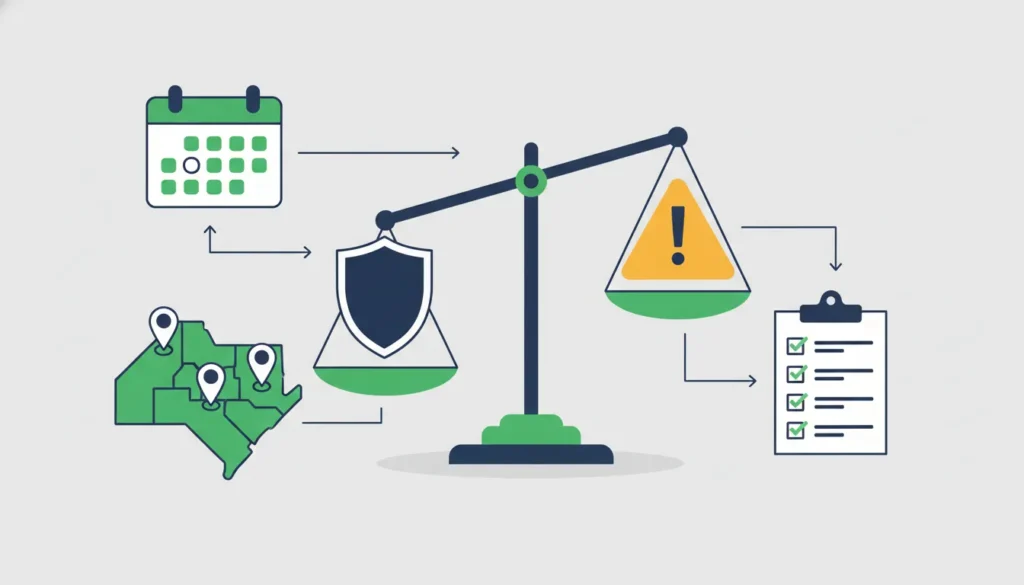
5. Cost Minimization Strategies and Risk Management
There is a big difference between smart planning and risky evasion. The goal is to:
- Use available rebates and structures legitimately
- Choose locations and timing that align with your financial situation
- Avoid strategies that could trigger audits, penalties, or even criminal charges
Legitimate Strategies to Reduce or Manage Land Transfer Tax
- Maximize first-time buyer rebates
- Confirm you truly qualify under provincial and municipal rules.
- Coordinate with your spouse or partner; sometimes it may be advantageous for the true first-time buyer to be on title in a way that maximizes eligibility (subject to legal advice).
- Consider location impacts
- Recognize that buying in Toronto often means paying both provincial and municipal LTT.
- In some cases, purchasing just outside Toronto’s borders can significantly reduce land transfer tax.
- Timing and transaction planning
- Where your life plans are flexible, you might coordinate major changes (marriage, separation, permanent residency) with your purchase to ensure you meet first-time buyer or residency requirements.
- Compare property types and price points
- Small shifts in budget can change how much of your purchase price falls into higher LTT brackets.
- Sometimes a slightly lower price point can meaningfully reduce tax while still meeting your needs.
- Build closing costs into your savings plan
- Instead of trying to minimize LTT at any cost, many buyers are better off explicitly saving for it so they are not financially stretched at closing.
Strategies to Avoid: The Line Between Planning and Evasion
There are a few things you should absolutely not do:
- Understating the purchase price on the deed to reduce land transfer tax
- Side payments “off the record” that don’t appear on the purchase agreement
- Misrepresenting your residency or first-time buyer status
- Using nominee buyers or shell arrangements solely to avoid LTT
These can lead to:
- Reassessment of tax plus interest
- Penalties
- In serious cases, allegations of fraud
Any creative tax planning involving ownership structure, trusts, or corporations should be done through a tax professional and real estate lawyer who can advise you on both the potential benefits and the risks.
Regional Comparison and Risk Management Mindset
When evaluating where to buy, factor in:
- Land transfer tax (provincial + any applicable municipal)
- Property tax rates in that municipality
- Commuting and lifestyle costs
Sometimes, a property just outside a high-tax municipality offers significant long-term savings, even if the base price is similar.
The safest approach is:
- Use official tools and calculators to estimate all closing costs.
- Confirm current rates with your lawyer or a reputable source.
- Treat tax minimization as part of responsible planning, not a game of how close you can get to the line.
Legal Disclaimer
The information in this article is provided for general informational purposes only and is not legal advice. No content here shall be interpreted as implying that Dimitrov Law Professional Corporation or Atanas Dimitrov are the best or superior to any other lawyers or law firms. For guidance related to your specific situation, please consult a qualified professional.
Call to Action
Message us here with any questions OR visit our website: https://dl-pc.ca/.