

1. Introduction
Probate fees in Ontario, officially referred to as the Estate Administration Tax (EAT), can significantly reduce the value of an estate passed on to beneficiaries—especially for high-net-worth individuals and business owners. At a rate of 1.5% on the value of an estate exceeding $50,000, the tax can quickly amount to tens or even hundreds of thousands of dollars. However, with strategic planning—such as using joint ownership, beneficiary designations, and trusts—these fees can be significantly reduced or avoided altogether.
This article explores legal and tax-efficient strategies to minimize EAT, with a special focus on business owners seeking to preserve their wealth for future generations.

2. Understanding Ontario’s Estate Administration Tax: The 1.5% Impact on Business Owners
The Estate Administration Tax (EAT) is calculated on the total value of a deceased person’s estate at the time of death. As of 2024, Ontario’s rates are:
| Estate Value | Tax Rate |
|---|---|
| First $50,000 | $0 |
| Over $50,000 | 1.5% |
For example, an estate worth $2 million would be taxed approximately $29,250.
This tax applies to:
- Real estate located in Ontario
- Bank accounts
- Investments
- Personal property
- Business interests (unless otherwise structured)
Business owners are especially impacted due to the inclusion of privately held corporate shares, commercial properties, and intellectual property in estate valuation. Without proper planning, EAT can force heirs to sell off assets or shares to cover the tax liability.
For the most up-to-date fee breakdown, refer to the Ontario Ministry of the Attorney General.
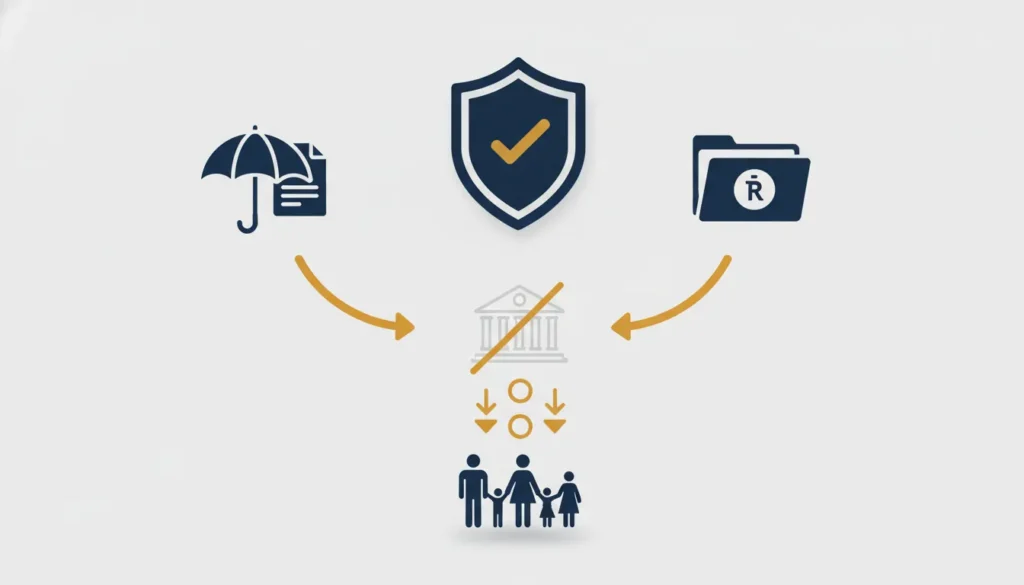
3. Joint Ownership Structures: Legal Implications and Tax Reduction Strategies
Joint ownership is one of the most straightforward ways to bypass probate. Assets held in joint tenancy with right of survivorship (JTWROS) transfer directly to the surviving owner and are excluded from the probate estate.
Commonly Used Joint Ownership Strategies:
- Real estate: Spouses often hold the family home jointly to ensure automatic transfer upon death.
- Bank accounts and investment accounts: Joint accounts bypass the estate and are not subject to EAT.
Legal Considerations:
- Genuine ownership vs. resulting trust: Courts scrutinize joint ownership, especially between parents and adult children. If there is no clear intention to gift, the asset may be deemed part of the estate.
- Document the donative intent clearly to avoid litigation and unintended tax consequences.
For legal clarity, consult the Supreme Court of Canada’s ruling in Pecore v. Pecore, which outlines how joint ownership may still be subject to probate depending on intent and control.
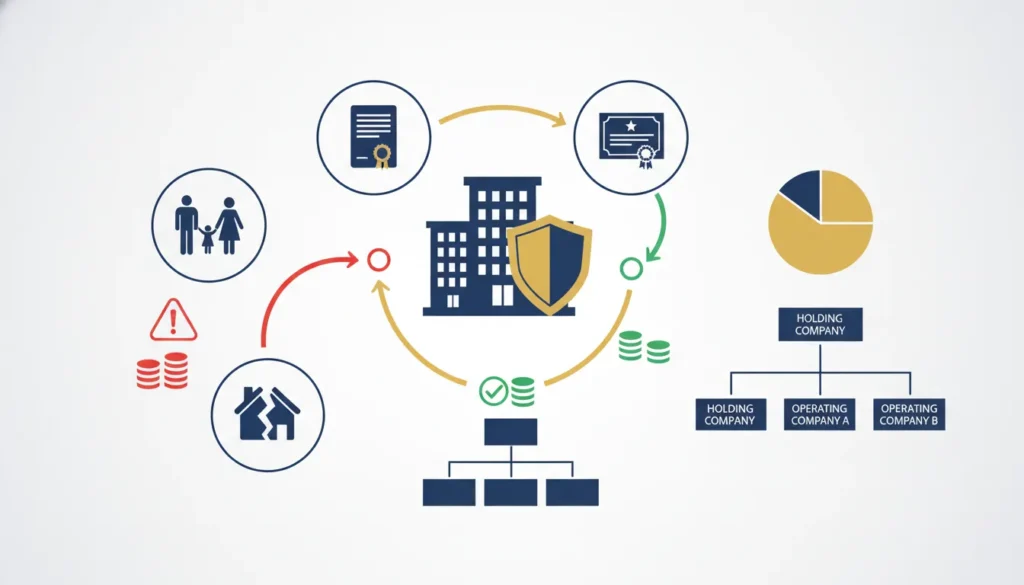
4. Beneficiary Designations: Strategic Use of Insurance Policies and Registered Accounts
By naming designated beneficiaries, you can direct assets to pass outside of the estate, thus avoiding EAT.
Eligible Accounts for Beneficiary Designation:
- RRSPs/RRIFs
- TFSAs
- Life insurance policies
- Pensions and segregated funds
Designations should be made directly with the financial institution, not just in your will. This ensures automatic transfer to the beneficiary upon death.
Strategic Benefits:
- Funds transfer quickly, often within 2–3 weeks.
- These assets are not included in the probate application, reducing the tax burden.
- Beneficiaries avoid legal delays associated with estate administration.
For further guidance on beneficiary designations, visit FSRA Ontario.
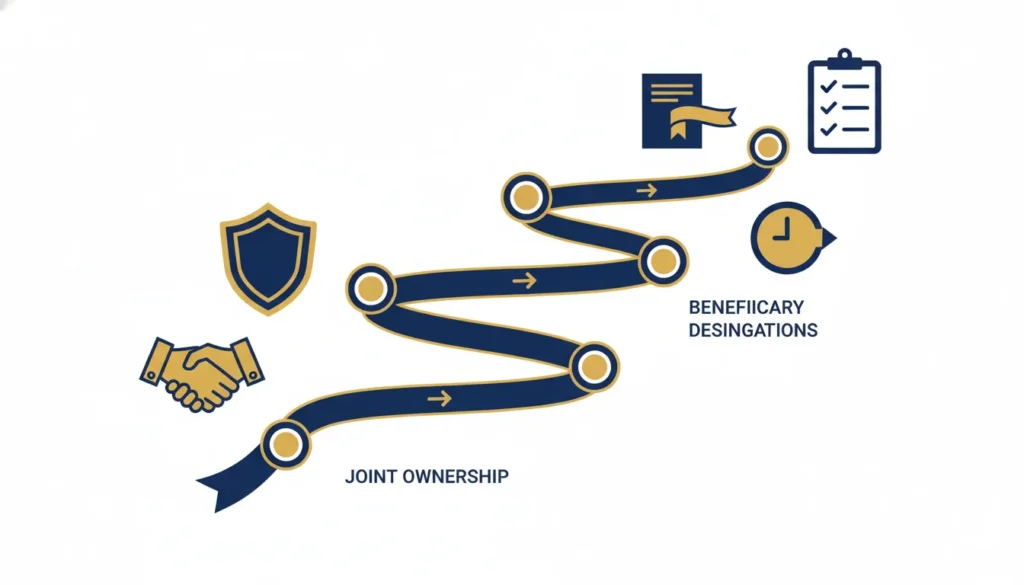
5. Corporate-Owned Assets and Trusts: Advanced Planning for Business Succession
Business owners can leverage corporate structures and trusts to reduce the value of the estate subject to probate.
Key Strategies:
- Dual Wills: One will for corporate assets (non-probate) and one for personal assets (probate). Corporate shares often do not require probate if structured properly.
- Alter ego or joint partner trusts: These are living trusts available to individuals aged 65+, allowing assets to be transferred into the trust during the individual’s lifetime.
| Trust Type | Probate Benefit |
|---|---|
| Alter Ego Trust | Avoids probate, maintains control |
| Joint Partner Trust | Ideal for married couples; avoids probate on first and second death |
Assets within these trusts do not form part of the estate, making them an effective tool to eliminate EAT entirely for those specific assets.
Learn more about trust planning from CPA Canada.
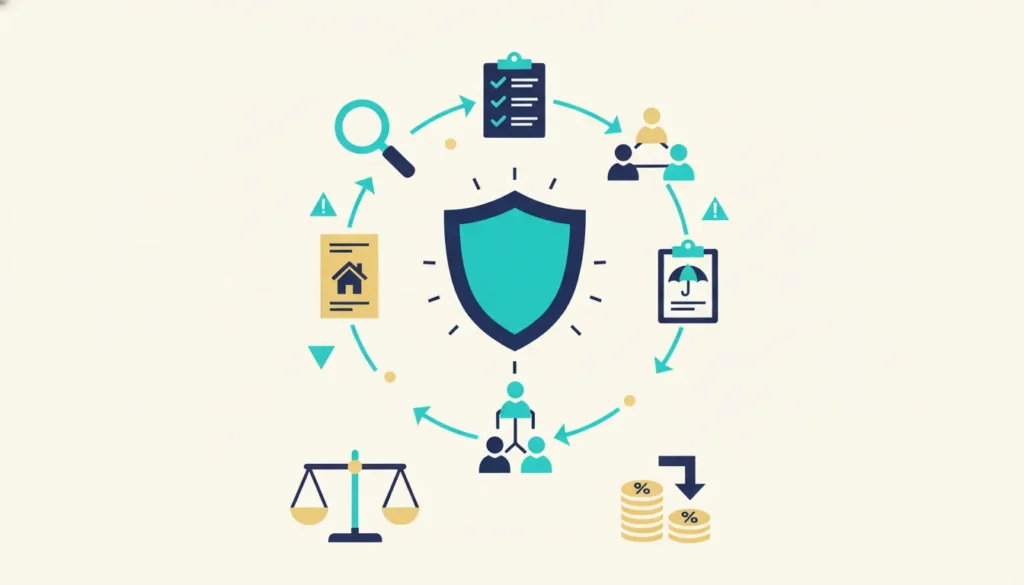
6. Due Diligence Framework: Implementation Steps and Risk Mitigation for Estate Tax Reduction
Minimizing probate fees must be approached carefully to avoid unintended tax consequences or legal disputes.
Implementation Checklist:
- Conduct an estate audit: Inventory assets, liabilities, and ownership structures.
- Draft a multi-tiered estate plan with legal counsel.
- Implement joint ownership and trusts where appropriate.
- Update all beneficiary designations with financial institutions.
- Prepare dual wills if you own a business.
- Maintain records of ownership intent to avoid legal disputes.
Risk Mitigation:
- Avoid “bare” joint ownerships without clear documentation.
- Ensure tax-efficient transfers by consulting with an estate lawyer and tax advisor.
- Revisit your estate plan every 3–5 years or after major life events.
7. Conclusion and Next Steps
Ontario’s Estate Administration Tax can be a significant financial burden, but it’s also largely avoidable through smart, legal planning. By proactively using tools like joint ownership, beneficiary designations, trusts, and dual wills, you can protect your wealth and streamline the transition of assets to your loved ones.
Next Steps:
- Book a consultation with an estate planning lawyer and tax specialist.
- Begin documenting your asset structures and intentions.
- Start implementing a probate reduction strategy tailored to your personal and business needs.
8. Frequently Asked Questions
Q1: What assets are not subject to probate in Ontario?
Assets held in joint ownership or with named beneficiaries (e.g., RRSPs, TFSAs, life insurance policies) typically bypass probate and are not subject to EAT.
Q2: Do all wills go through probate?
No. Wills governing assets that do not require a Certificate of Appointment (e.g., private company shares in a secondary will) may not go through probate.
Q3: Can trusts help reduce taxes other than EAT?
Yes. Trusts can also offer income splitting, capital gains deferral, and creditor protection, depending on their structure.
Q4: Is it safe to put assets in joint ownership with children?
It can be risky if not done properly. Document the intent and consider the potential for family disputes, loss of control, and tax implications.
Q5: How often should I update my estate plan?
Every 3–5 years, or after a major life event such as marriage, divorce, birth of a child, or a significant change in asset value.
Legal Disclaimer
The information in this article is provided for general informational purposes only and is not legal advice. No content here shall be interpreted as implying that Dimitrov Law Professional Corporation or Atanas Dimitrov are the best or superior to any other lawyers or law firms. For guidance related to your specific situation, please consult a qualified professional.
Call to Action
Message us here with any questions OR visit our website: https://dl-pc.ca/.