
Many Ontario corporations operate under the false assumption that maintaining a minute book is all that’s required to stay compliant. But in reality, corporate maintenance involves far more than basic documentation. Failing to meet ongoing obligations—such as annual filings and record updates—can put your company at serious risk of administrative dissolution, penalties, and personal liability for directors.
In this article, we’ll cover the compliance blind spots most Ontario businesses miss, unpack annual requirements under the Ontario Business Corporations Act (OBCA), and provide a step-by-step corporate compliance checklist to help you stay audit-proof and protected.
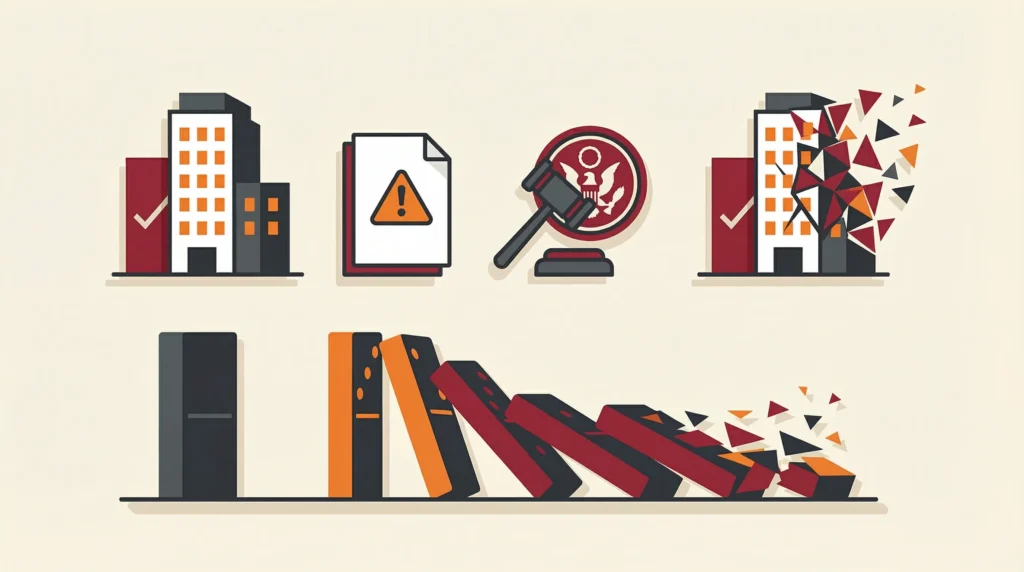
The Hidden Compliance Gap: Why Your Minute Book Isn’t Enough
A minute book is a vital record-keeping tool, but it is not a complete compliance solution. A minute book typically includes:
- Articles of Incorporation
- Bylaws and resolutions
- Shareholder and director registers
- Meeting minutes
However, these documents only represent static records—they do not cover dynamic compliance requirements such as:
- Annual return filings
- Updates to registered office address or directors
- Proper maintenance of shareholder ledgers
- Business license renewals
- Tax filings and corporate registry notifications
Without proactive compliance efforts, a business with a pristine minute book could still face fines, loss of limited liability protection, or dissolution.
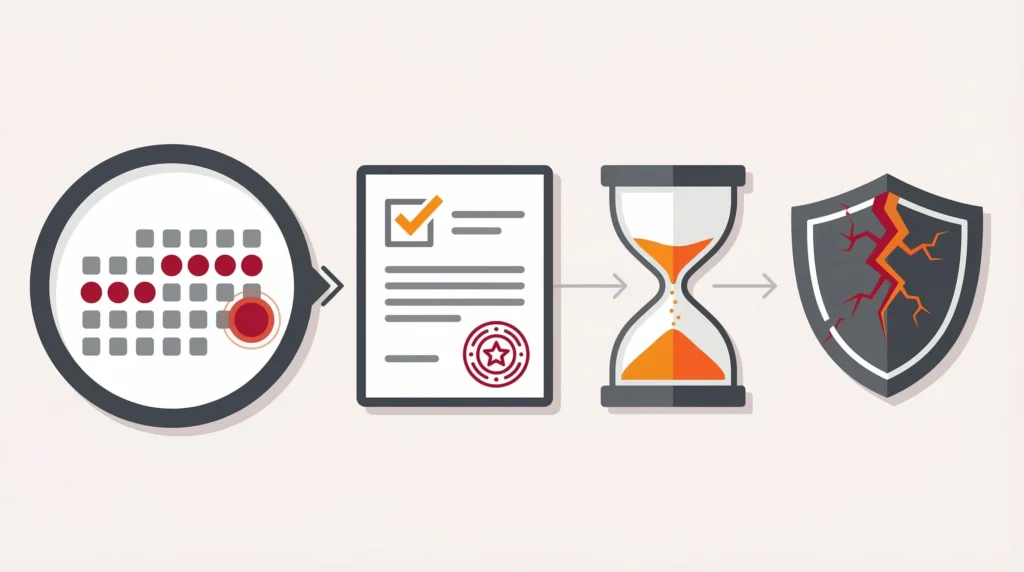
Understanding Administrative Dissolution: When OBCA Revokes Your Corporation
Under the Ontario Business Corporations Act (OBCA), a corporation can be administratively dissolved—or effectively shut down—if it fails to comply with key filing obligations.
What Triggers Administrative Dissolution?
Your corporation can be dissolved for:
- Failing to file annual returns for two consecutive years
- Not maintaining a registered office in Ontario
- Failure to update director information
- Filing documents with inaccurate or outdated information
- Not paying business taxes or renewing licenses (in some cases)
What Are the Consequences?
Once dissolved:
- The corporation loses legal capacity to carry on business
- Its assets may become property of the Crown (escheat)
- Directors and shareholders may lose limited liability protections
- Bank accounts and contracts may be frozen or voided
- Reinstating a corporation can involve legal costs, lost opportunities, and regulatory hurdles
Administrative dissolution is silent but deadly—it can happen without court proceedings or active notification if your contact info isn’t up to date.
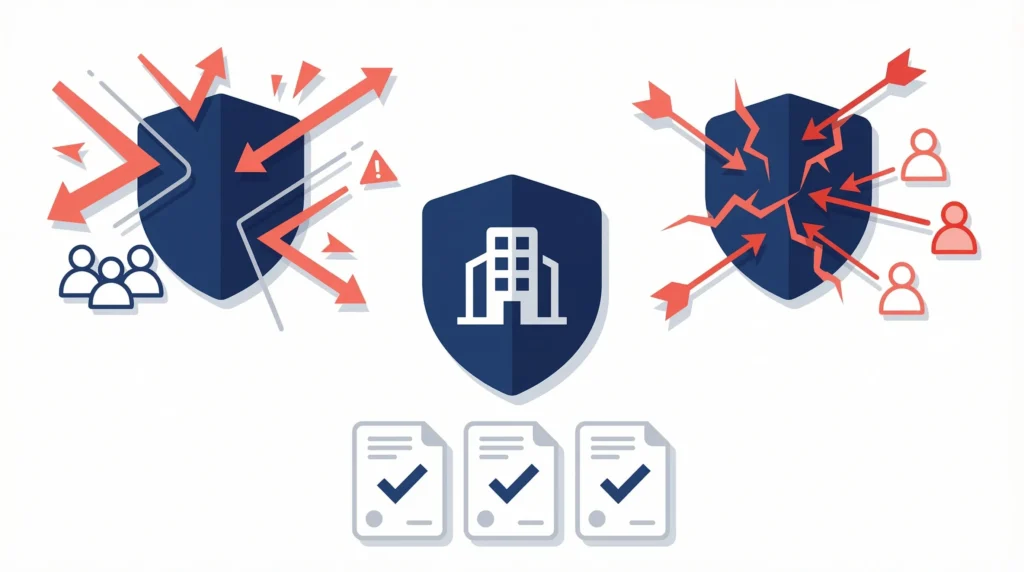
Annual Filing Requirements for Ontario Corporations
Staying in good standing requires more than tax filings. Corporations must meet a strict calendar of legal and administrative filings.
Mandatory Corporate Filings in Ontario
| Filing Requirement | Frequency | Where to File | Legal Reference |
|---|---|---|---|
| Annual Return | Annually | Ontario Business Registry | OBCA, Section 140 |
| Corporate Income Tax (T2) | Annually | Canada Revenue Agency (CRA) | Income Tax Act |
| Business License Renewals | Varies | Municipal or industry regulator | Municipal Bylaws / Regulatory Acts |
| Registered Office Changes | As needed | Ontario Business Registry | OBCA, Section 17 |
| Director/Officer Updates | Within 15 days | Ontario Business Registry | OBCA, Section 140.1 |
| Share Transfers | Ongoing | Maintain in internal records (shareholder ledger) | Corporate Governance Practice |
Even private corporations with no active operations must file their annual return to avoid dissolution.
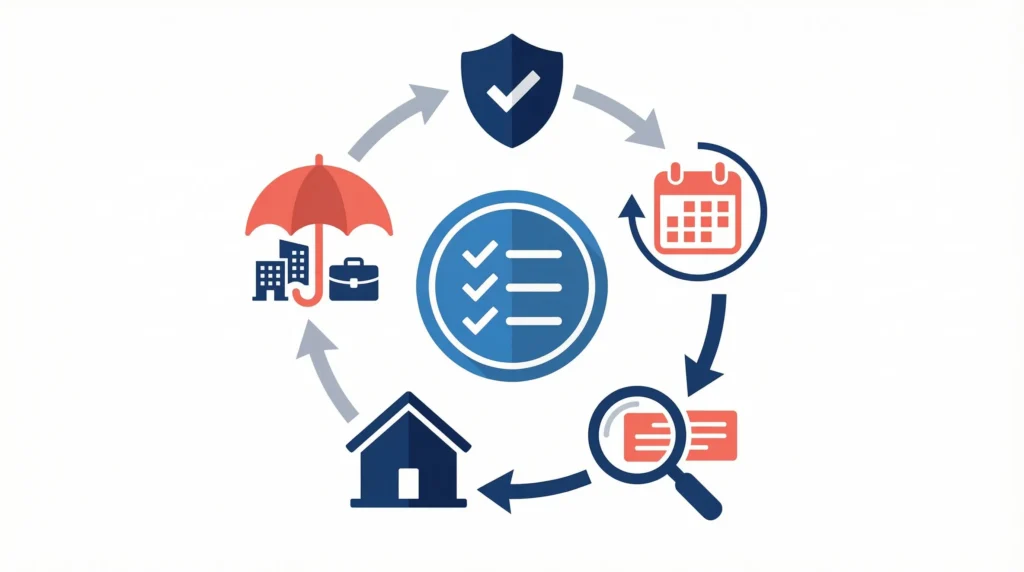
The Limited Liability Shield: Why Corporate Maintenance Protects You Personally
One of the main reasons entrepreneurs incorporate is to gain limited liability protection. But that protection is only valid if the corporation complies with its legal obligations.
When courts find that a company has failed to maintain proper governance or filings, they may “pierce the corporate veil”—allowing creditors, regulators, or litigants to hold directors or shareholders personally liable.
What Can Jeopardize Your Limited Liability?
- Failing to file annual returns
- Commingling personal and corporate assets
- Not maintaining current director/shareholder records
- Failing to renew business licenses
- Operating after administrative dissolution
Corporate compliance is not optional. It’s the foundation of the liability shield you rely on.
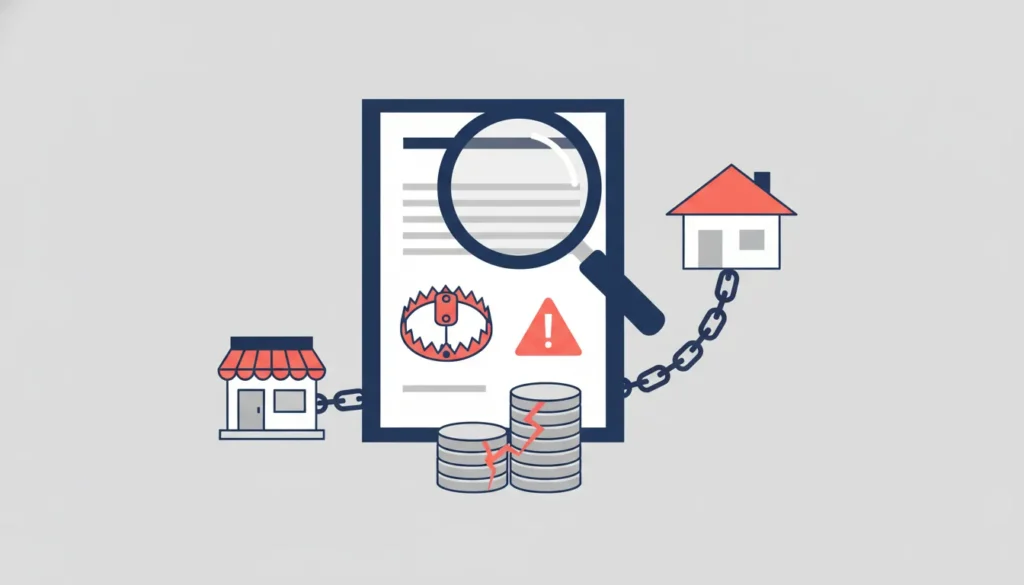
Your Annual Corporate Compliance Checklist (Ontario)
To help your business stay in good standing, here is a simple yearly compliance checklist based on Ontario laws:
✅ 1. File Your Annual Return
- Due annually on the anniversary date of incorporation
- File via the Ontario Business Registry
- Penalty: Administrative dissolution after two missed filings
✅ 2. Hold Annual Meetings or Sign Resolutions
- Corporations must hold annual shareholder and director meetings or sign resolutions in lieu
- Minutes or resolutions must be filed in the minute book
✅ 3. Update Director and Shareholder Registers
- Maintain current information in internal records
- Include all changes to director appointments or share transfers
- Update the Ontario Business Registry within 15 days of any changes
✅ 4. Review and Update Corporate Records
- Confirm accuracy of:
- Registered office address
- Directors and officers
- Share structure
- Business activities
- Make updates as needed
✅ 5. Renew Licenses and Permits
- Many businesses require:
- Municipal business licenses
- Sector-specific registrations (e.g., AGCO, FSRA)
- Check for renewal deadlines
✅ 6. File Federal T2 Return
- File your corporate tax return (T2) annually with the CRA
- Even if no taxes are owed, this is mandatory
✅ 7. Maintain a Clean Minute Book
- Include updated:
- Shareholder and director registers
- Annual resolutions or meeting minutes
- Share transfer records
✅ 8. Review WSIB and HST Registration
- Ensure you’re registered with the WSIB if required
- Confirm your HST filing and registration status (for revenue over $30,000)
✅ 9. Conduct a Legal Compliance Review (Optional)
- Consider a year-end compliance review with a corporate lawyer
- This can prevent risks from changes in law, structure, or business operations
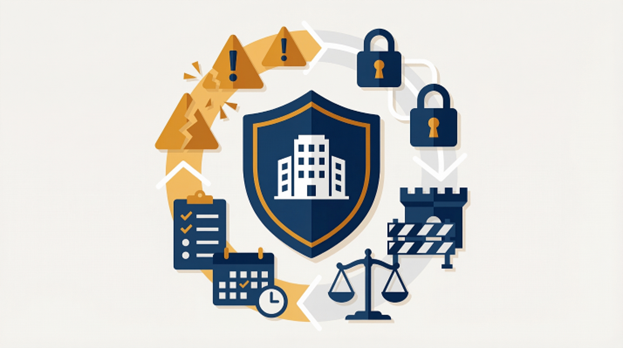
Corporate Governance as Risk Management: Build a Defensible Compliance Framework
Treating corporate maintenance as a risk management strategy—not just a checkbox—is the difference between a business that survives scrutiny and one that collapses under it.
Strong corporate governance includes:
- Regular board meetings (even for private corporations)
- Documented decision-making
- Accurate and timely filings
- Proper record-keeping and document retention
- Defined compliance responsibilities across your team
Tip: Assign a team member or retain an external advisor to manage corporate governance tasks throughout the year. Don’t leave it to year-end.
Final Thoughts: Staying Legally Alive Requires More Than a Minute Book
A clean minute book is only part of the puzzle. In Ontario, ongoing compliance requires a living system of governance, filings, and documentation. Failing to meet these obligations—intentionally or not—can result in serious consequences, including:
- Corporate dissolution
- Loss of limited liability
- Personal exposure for directors
- Regulatory fines
- Reputational damage
Legal Disclaimer
The information in this article is provided for general informational purposes only and is not legal advice. No content here shall be interpreted as implying that Dimitrov Law Professional Corporation or Atanas Dimitrov are the best or superior to any other lawyers or law firms. For guidance related to your specific situation, please consult a qualified professional.
Call to Action
Message us here with any questions OR visit our website: https://dl-pc.ca/.